
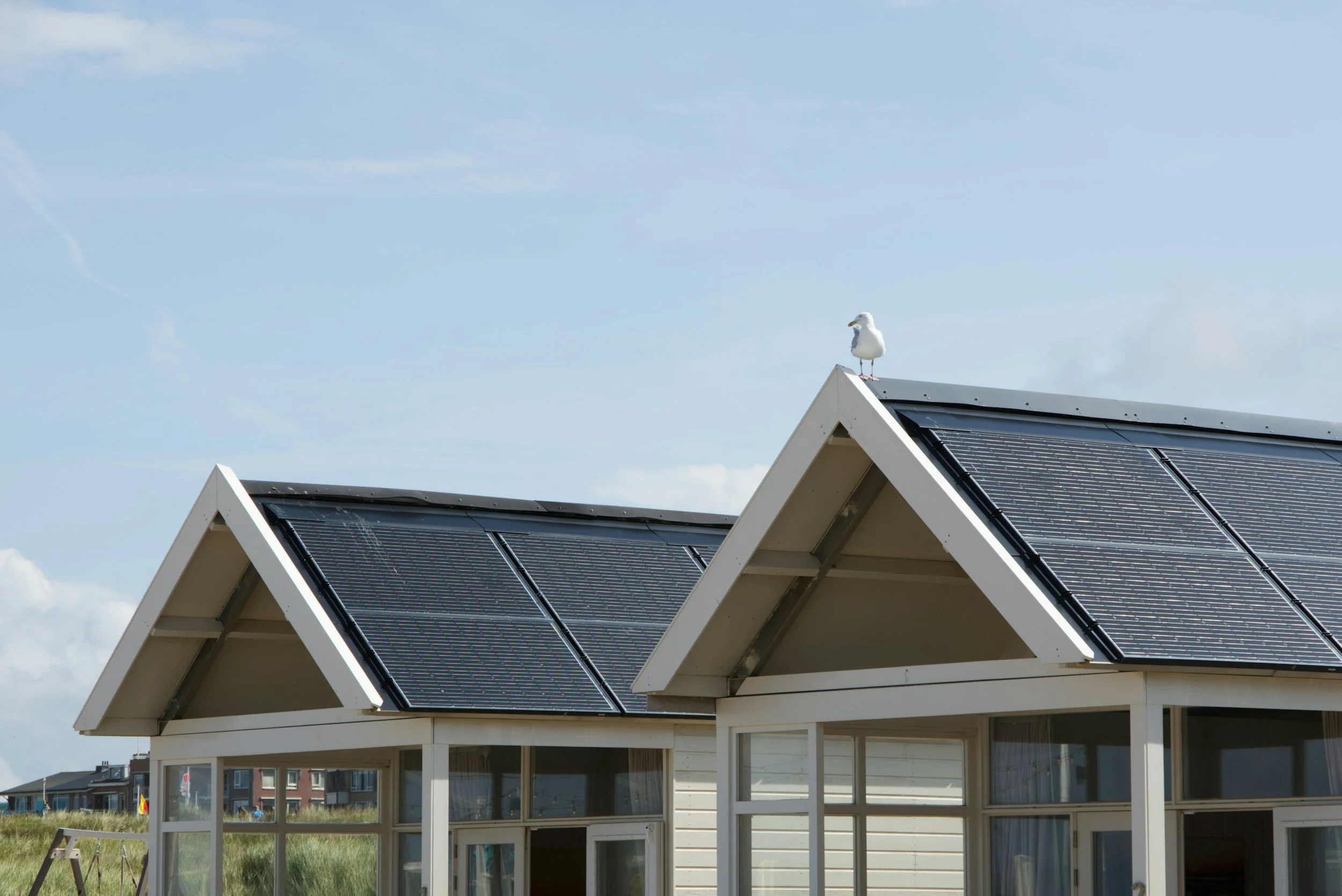
How Solar Energy Works
A complete guide for homeowners looking to reduce electricity bills, increase energy independence, and invest in a cleaner future.
Solar Power Made Simple
Solar power converts sunlight into electricity that can be used to power your home, charge your electric vehicle, and reduce your reliance on the electricity grid.
With modern solar technology, homeowners can generate clean, renewable energy directly from their rooftops while significantly reducing their power bills for decades.
How Does Solar Power Work?
-
Solar panels are made up of photovoltaic (PV) cells that absorb sunlight throughout the day.
When sunlight hits these cells, they generate direct current (DC) electricity.
-
Your home uses alternating current (AC) electricity, so the power generated by your solar panels passes through a solar inverter.
The inverter converts DC electricity into usable AC electricity that powers your home.
-
When your solar system is producing electricity, your home will automatically use that solar energy before drawing power from the grid.
This means appliances such as:
Refrigerators
Heat pumps
Hot water systems
Air conditioning
TVs and electronics
Pool pumps
EV chargers
can all run using solar energy.
-
If your solar system generates more electricity than your home is using, the surplus energy is sent back to the grid.
Many electricity retailers provide a feed-in tariff that credits you for exported power.
-
A battery stores excess solar energy generated during the day so it can be used later when the sun isn't shining.
This allows homeowners to:
Increase solar self-consumption
Reduce evening electricity costs
Improve energy independence
Access backup power during outages (depending on battery setup)
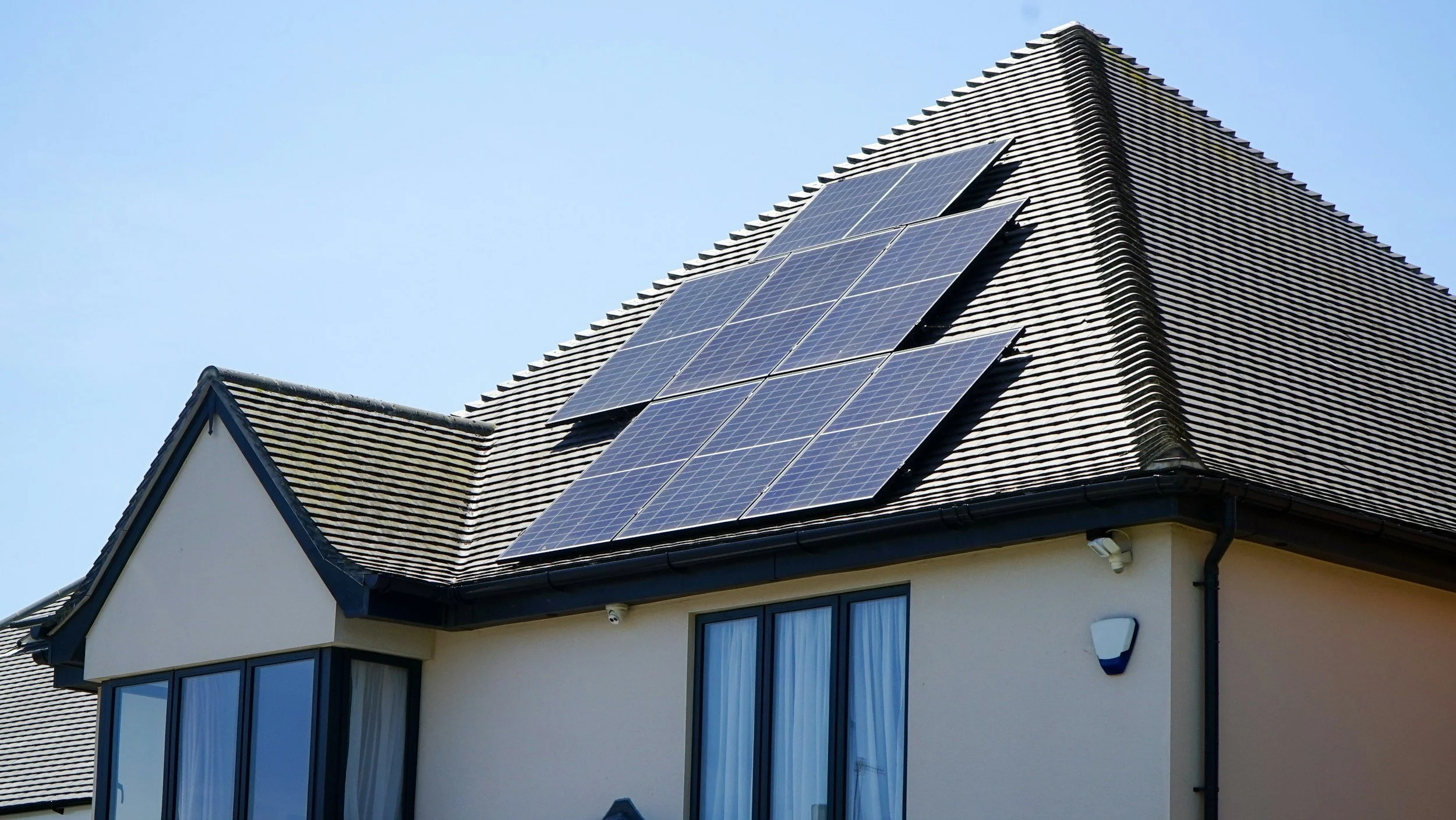
The Main Components of a Solar System.
Solar Panels
Solar panels are responsible for capturing sunlight and generating electricity. Modern solar panels are highly efficient, durable, and designed to operate for 25 years or more.
Benefits
✓ Low maintenance
✓ Long lifespan
✓ Reliable performance
✓ Renewable energy generation
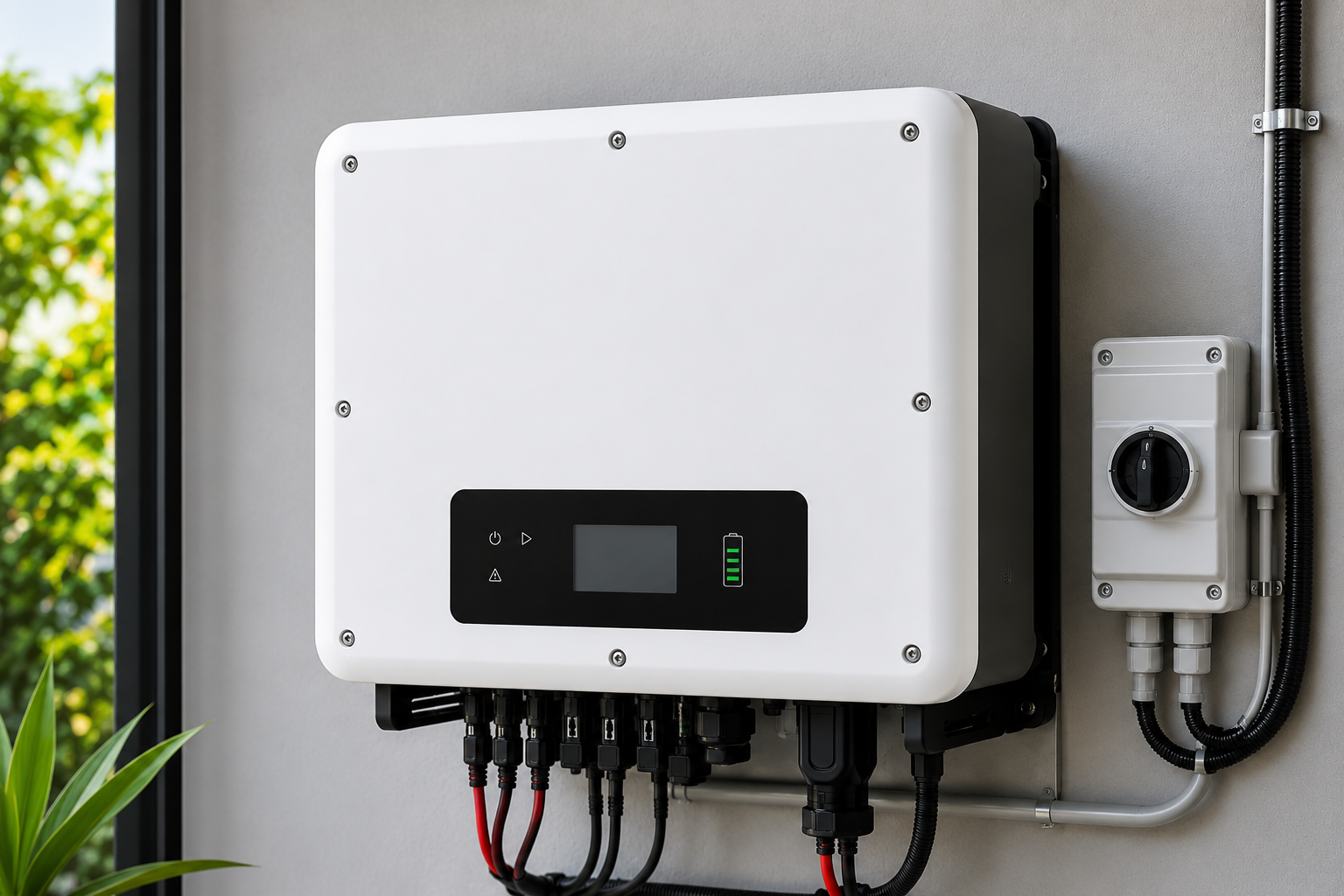
Solar Inverter
The inverter is the heart of your solar system.
It converts solar energy into usable electricity while monitoring system performance.
Types of Inverters
String Inverters
A cost-effective solution commonly used on residential properties.
Hybrid Inverters
Designed to work with both solar panels and battery storage systems.
Microinverters
Installed behind individual panels to optimise performance when shading is present.
Monitoring Systems
Modern solar systems include monitoring platforms that allow homeowners to track:
Energy production
Energy consumption
Battery performance
Solar savings
Historical performance data
Many systems can be monitored directly from a smartphone app.
Battery Storage
Battery systems store unused solar energy for later use.
Advantages
Increased energy independence
Reduced grid usage
Backup power capability
Better return on solar generation
What Happens During the Day?
-
Solar production begins as the sun rises.
Your home starts using solar energy as it becomes available.
-
Solar production reaches its peak.
Your home consumes solar power first, with excess energy either exported or stored in a battery.
-
Solar production decreases.
Your home uses battery energy (if installed) before drawing power from the grid.
-
Solar panels stop producing electricity.
Your home uses battery power or grid electricity until sunrise.
Is My Roof Suitable for Solar?
Most properties are suitable for solar installation.
Factors we assess include:
Roof Orientation
North-facing roofs generally achieve the highest production, but east and west-facing roofs can also perform extremely well.
Roof Pitch
Most roof pitches work effectively for solar systems.
Shading
Trees, neighbouring buildings, and other obstructions may impact performance.
Available Roof Space
Larger systems require more installation area.

How much can Solar Save?
Savings depend on several factors:
Your Electricity Usage
Homes with higher power consumption often achieve larger savings.
System Size
Larger systems generally produce more electricity.
Solar Self-Consumption
The more solar energy you use directly, the greater your savings.
Battery Storage
Batteries can increase self-consumption and reduce grid dependence.
Electricity Prices
Higher electricity costs typically increase the value of solar generation.
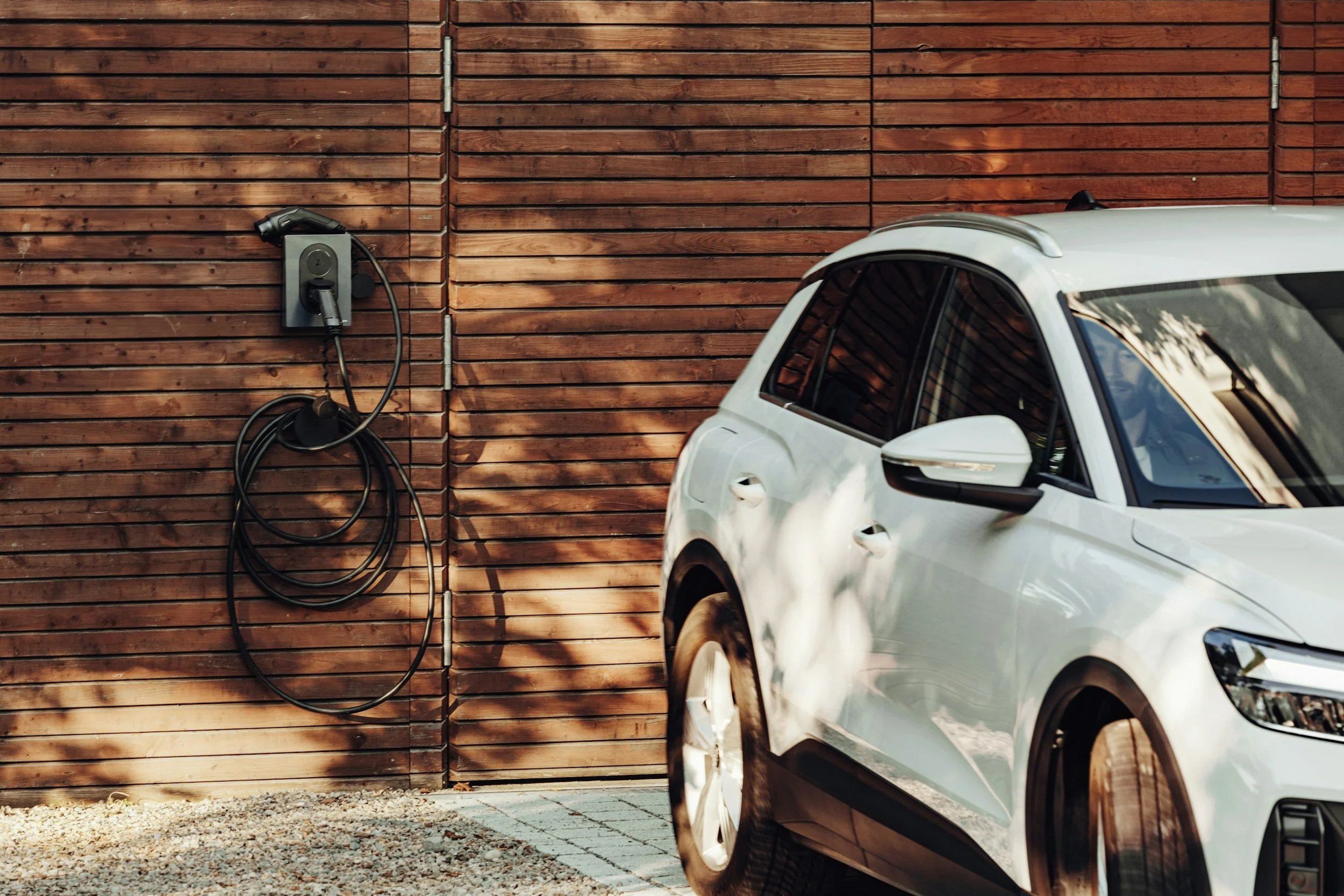
Solar and Electric Vehicles
One of the biggest advantages of solar power is the ability to charge your vehicle using energy generated from your own roof.
Benefits include:
Lower charging costs
Reduced reliance on public chargers
Cleaner transportation
Improved solar self-consumption
Many homeowners find that combining solar and EV charging significantly increases overall savings.
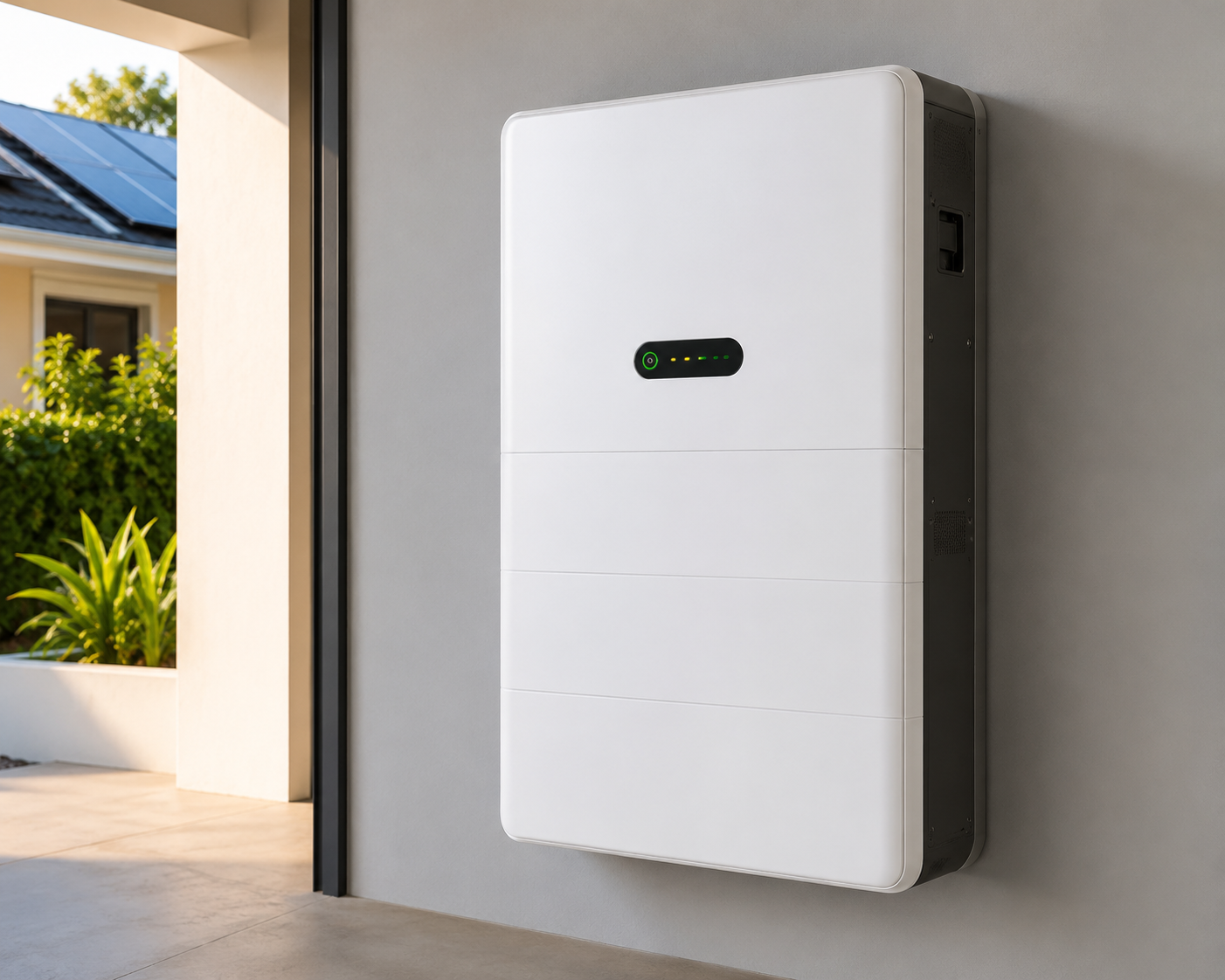
Solar and Battery Storage
Battery storage allows you to maximise the value of your solar system.
Without a Battery
Use solar during the day
Export excess energy
Purchase electricity at night
With a Battery
Store excess energy
Use solar after sunset
Reduce evening electricity purchases
Improve energy independence

Environmental Benefits of Solar
Solar power is one of the cleanest forms of electricity generation available.
By generating renewable energy from sunlight, solar systems help reduce:
Carbon emissions
Fossil fuel dependence
Environmental impact
Every solar installation contributes to a more sustainable energy future.
Ready to Discover What Solar Could Save You?
Whether you're looking to reduce electricity bills, add battery storage, or charge an EV with solar power, our team can design a solution tailored to your home and energy goals.
Get Your Free Solar Assessment
✓ Custom System Design
✓ Personalised Savings Estimate
✓ No Obligation Consultation